

Europe’s Fastest Laps, Anatolia’s Deepest Silence
Konya Hosts the 2026 UEC European Track Cycling Championships
For five winter days in early February, Europe’s fastest cyclists came to the heart of Anatolia. Inside Konya’s Olympic Velodrome—now widely regarded as one of the fastest indoor tracks in the world—world records fell, national anthems echoed, and milliseconds separated glory from heartbreak.
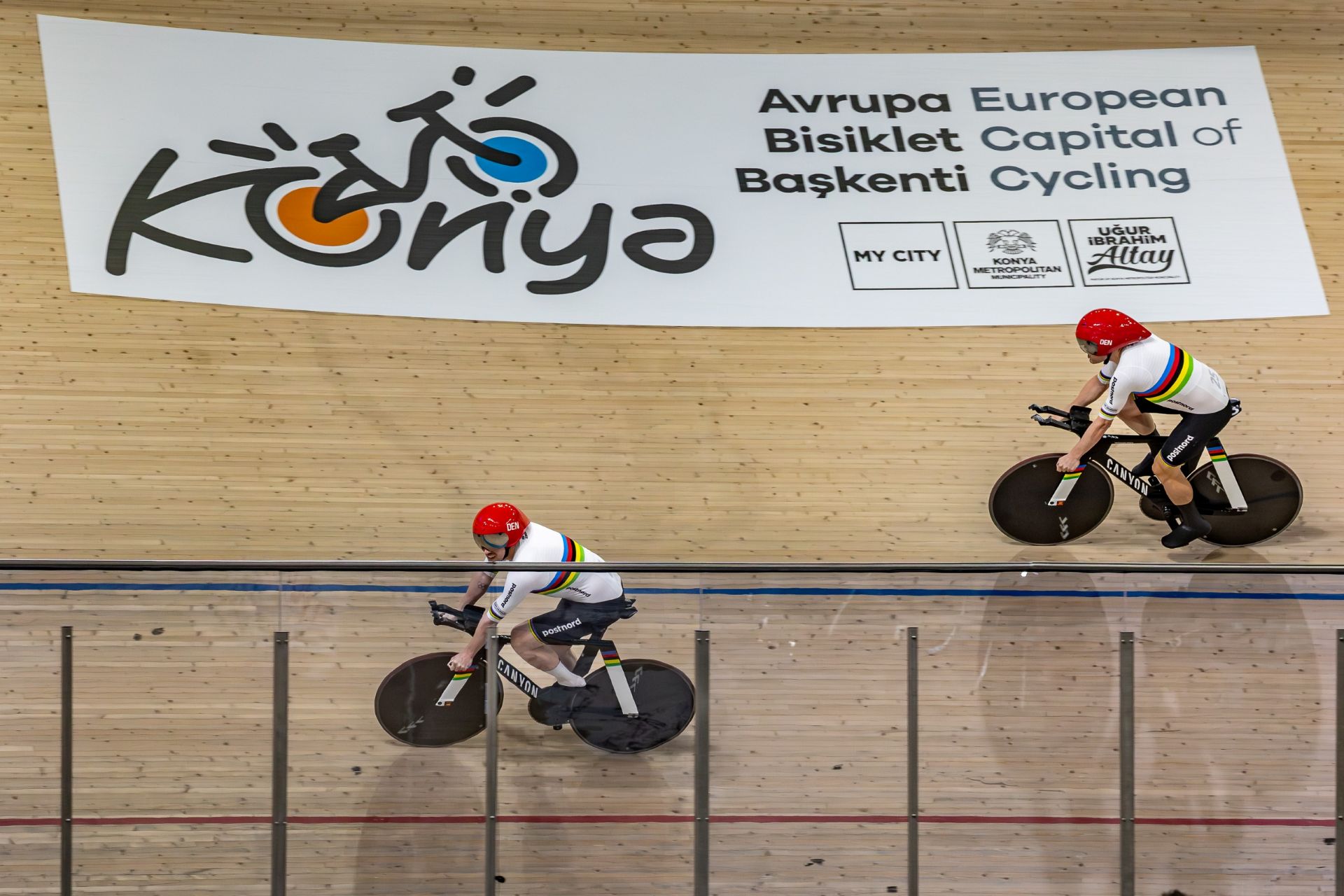
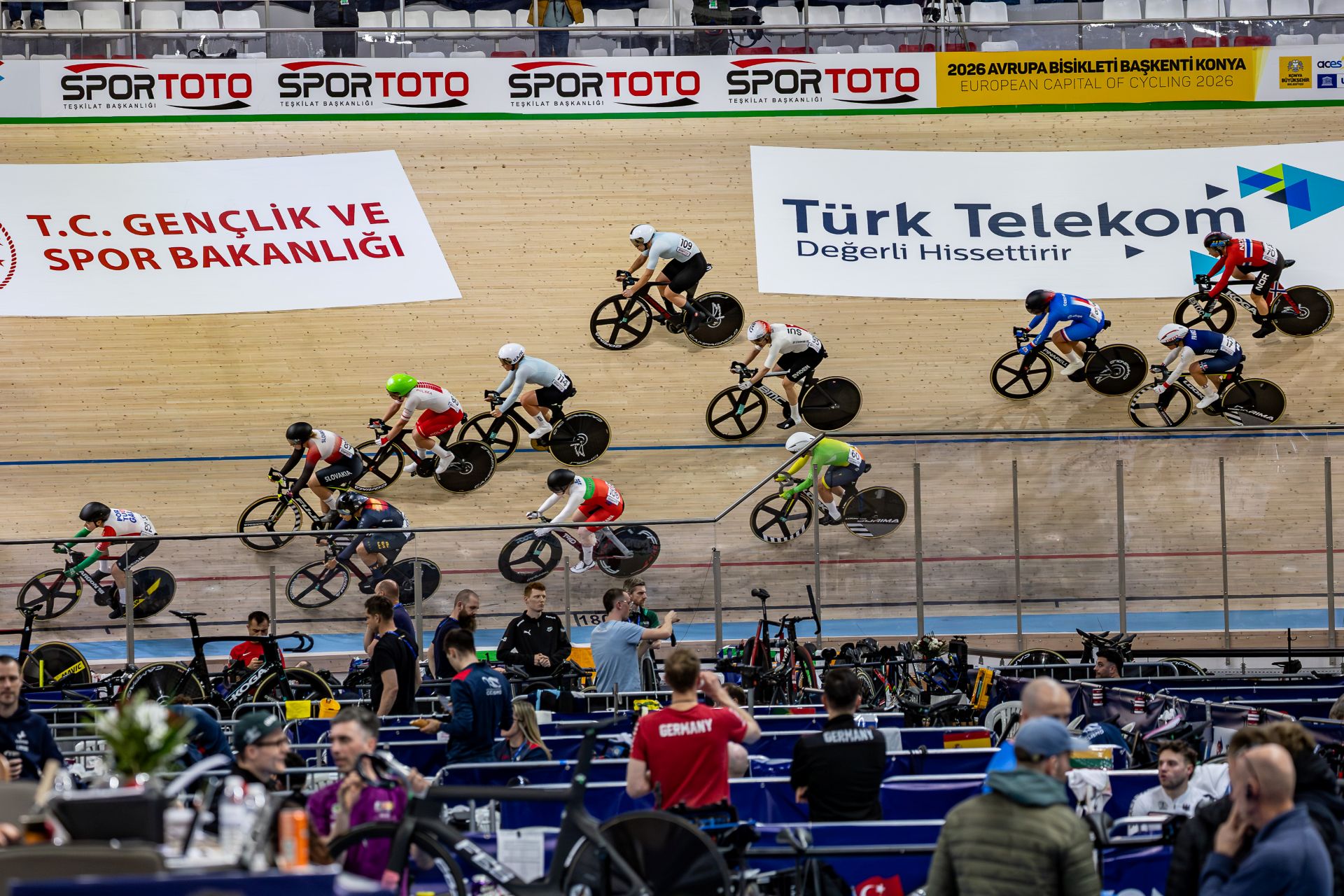
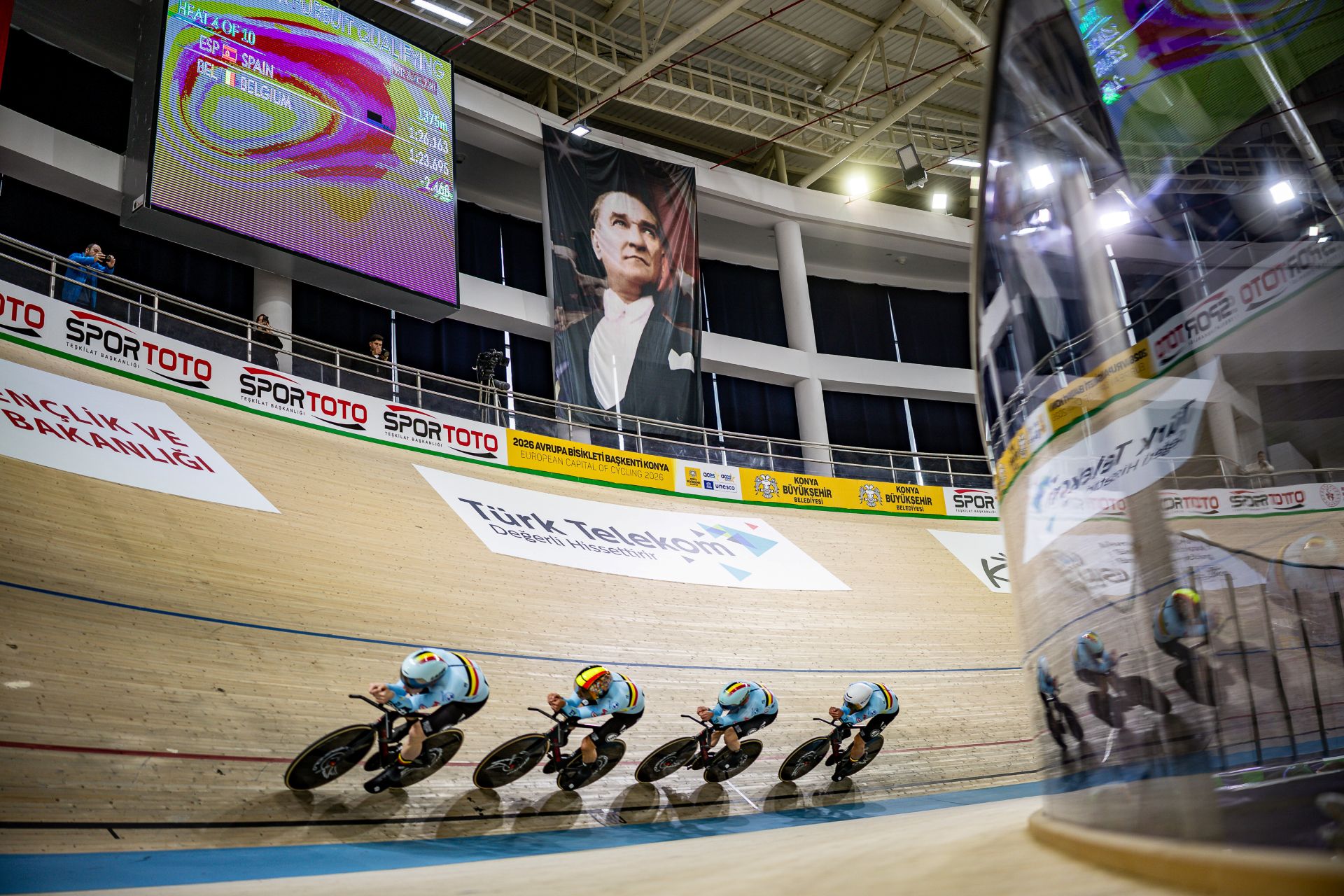
The 2026 UEC European Track Cycling Championships brought together Europe’s elite riders for five days of relentless speed, tactical duels, and technical perfection. Sprint, keirin, team pursuit, omnium, elimination, scratch—every discipline played out under the velodrome’s bright lights, where aerodynamics and nerve mattered as much as raw power.
Yet beyond the stopwatch and the podiums, Konya offered a different rhythm: quieter, slower, rooted in a landscape shaped by history, spirituality, and wide-open skies.
A Cathedral of Speed in the Middle of the Plains
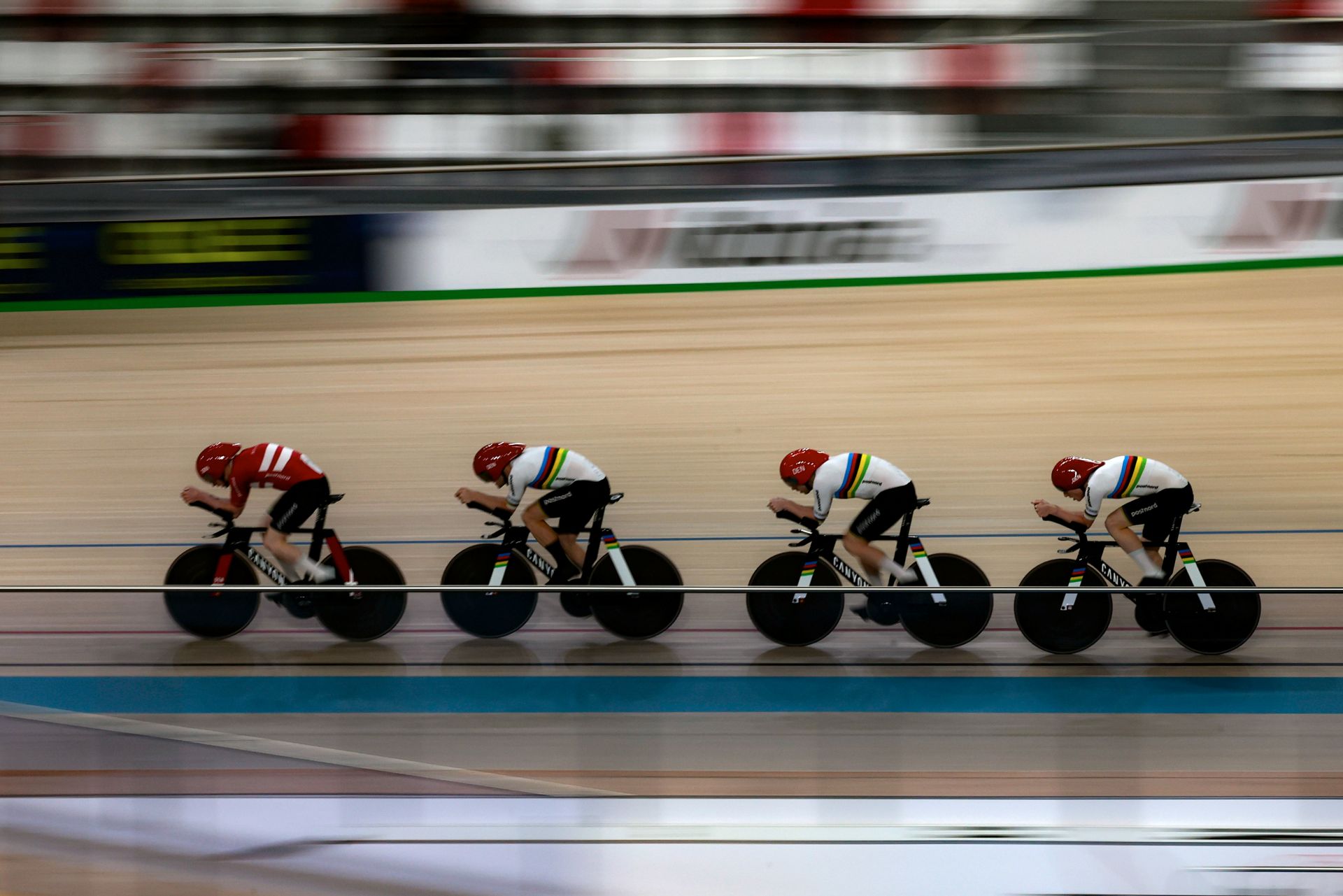
Konya’s Olympic Velodrome is a place where sound behaves differently. The hum of carbon wheels rises, folds into the ceiling, then drops back onto the track in waves. Riders circle at nearly 80 km/h, chasing fractions of a second — and sometimes rewriting the limits of what’s physically possible.
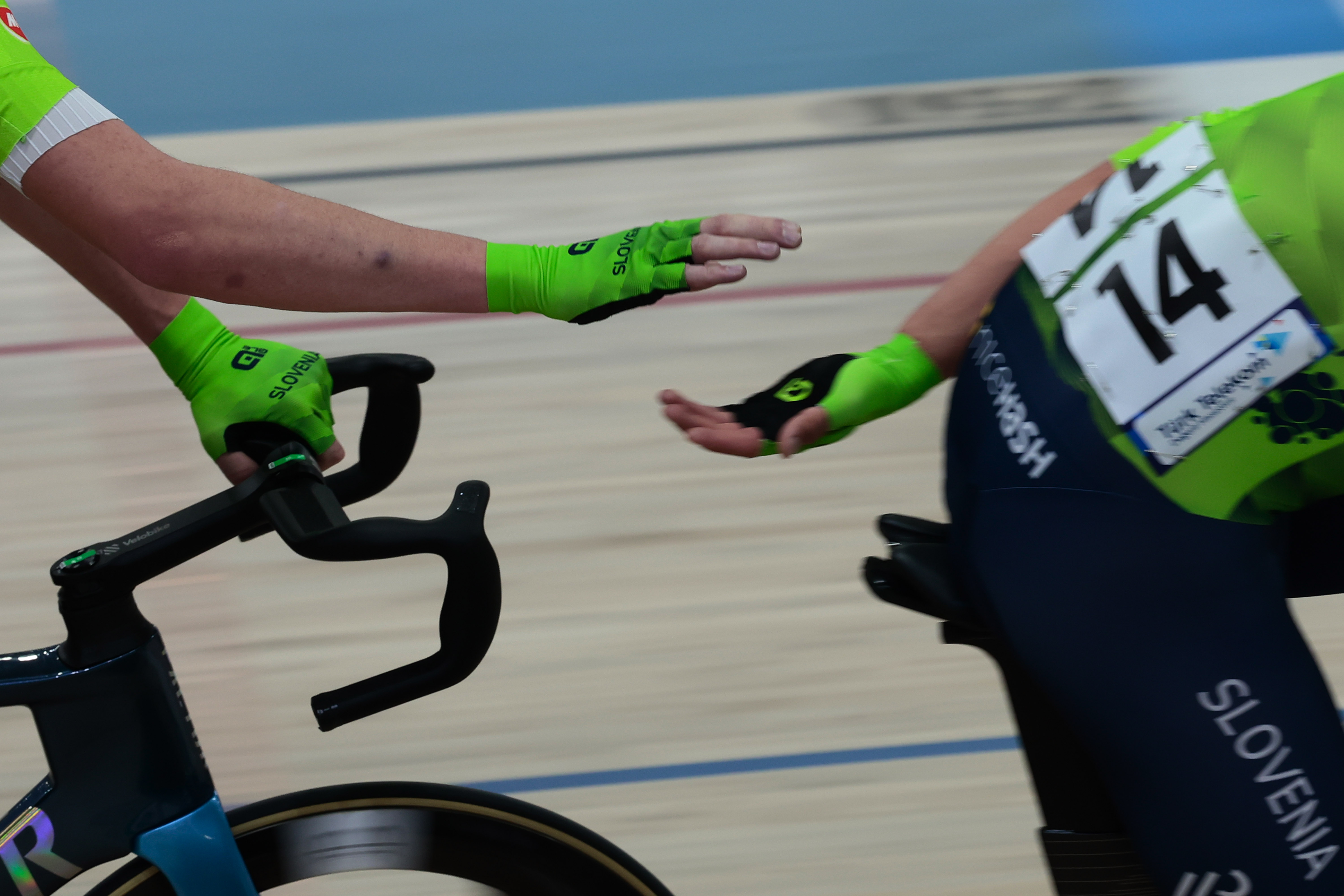
During the championships, multiple world records were broken, reinforcing the velodrome’s reputation as one of the fastest tracks on the planet. For athletes, it became a proving ground; for fans, a rare chance to witness speed stripped of scenery, reduced to pure motion and human precision. From the stands, the spectacle felt almost surgical: controlled chaos, bodies leaning into centrifugal force, and teams communicating with gestures more than words. Track cycling is not loud like road racing—it is intense, compressed, and unforgiving. One mistake echoes for an entire lap.
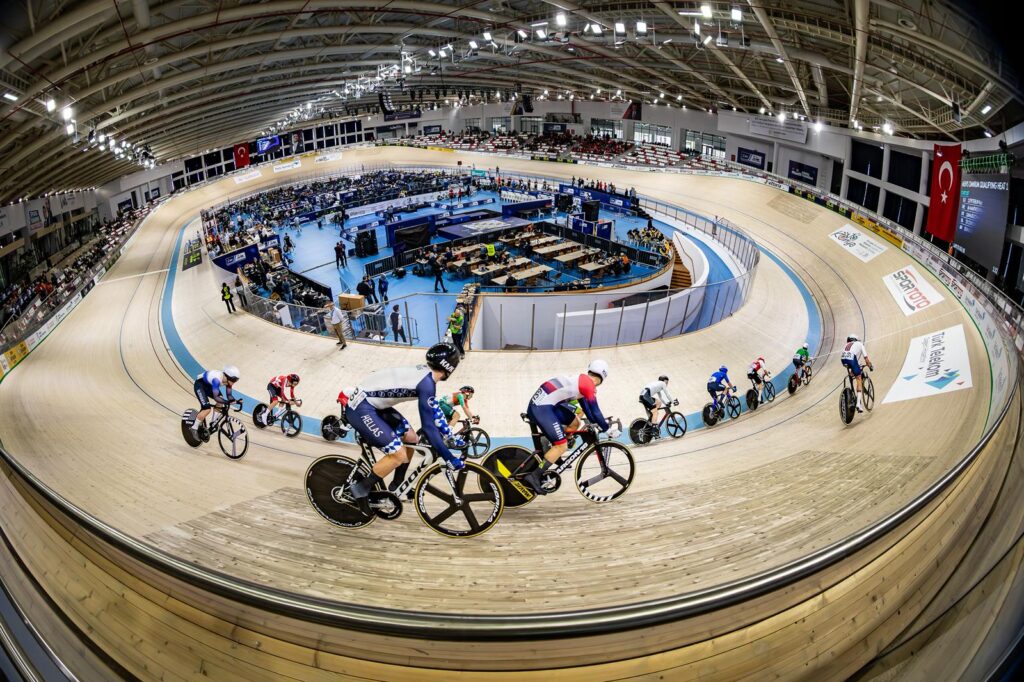
Watching the peloton loop the velodrome’s wooden curves, there was something almost hypnotic in the repetition—the smooth, relentless rotation of bodies and machines moving in perfect sync. In Konya, a city shaped by centuries of spiritual movement, that circular motion carries echoes of a deeper tradition. The whirling of “sema” transforms rotation into reflection and speed into stillness.
The velodrome told a different story, of course—one of watts, lap times, and podiums—but the shared language of discipline and controlled motion gave the race an unexpected poetic undertone.
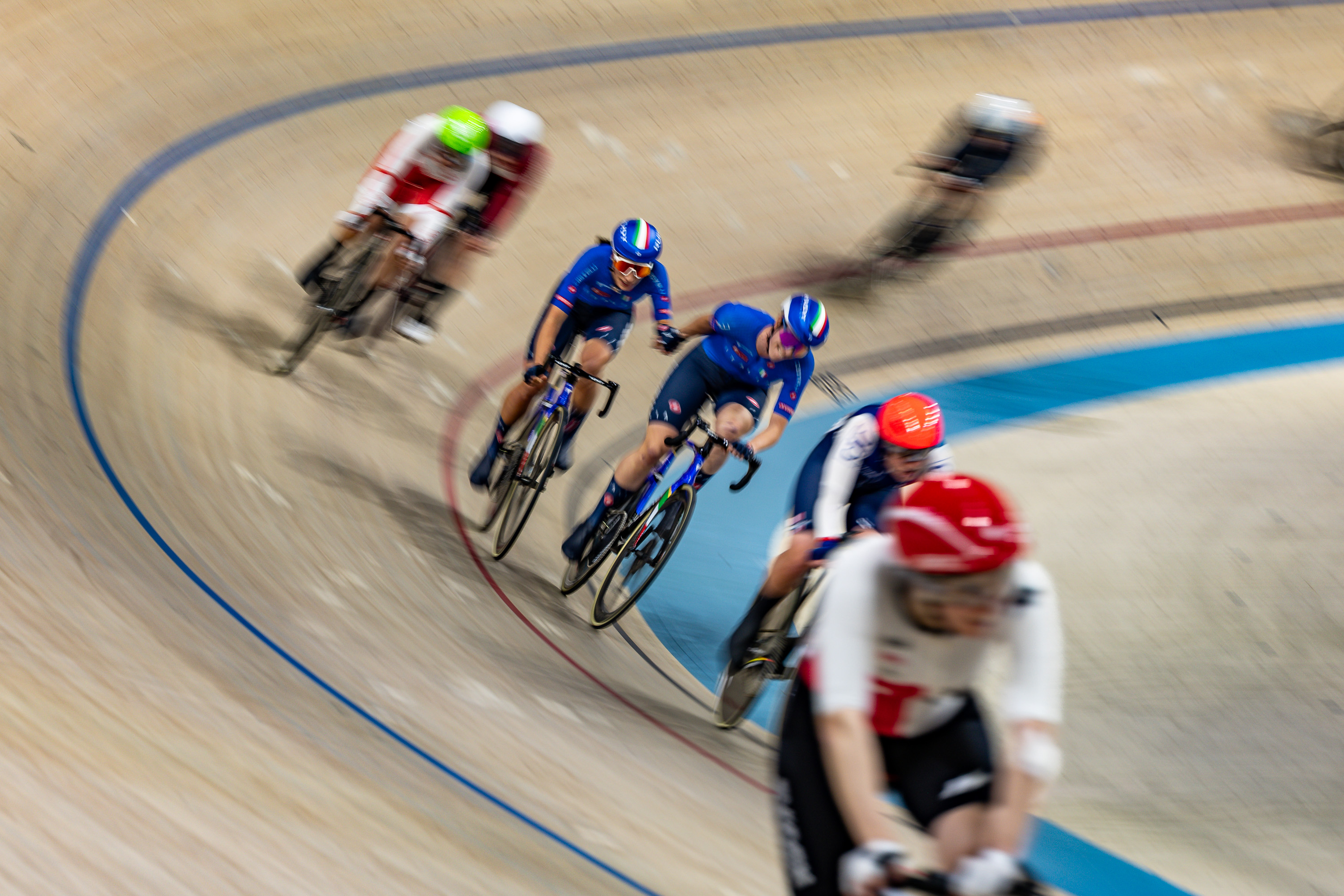
Where Speed Meets Emotion
Outside the velodrome, Anatolia’s deep silence lingered. Inside, a completely different energy rose. The serious faces carved by seconds on the track softened once the racing ended.
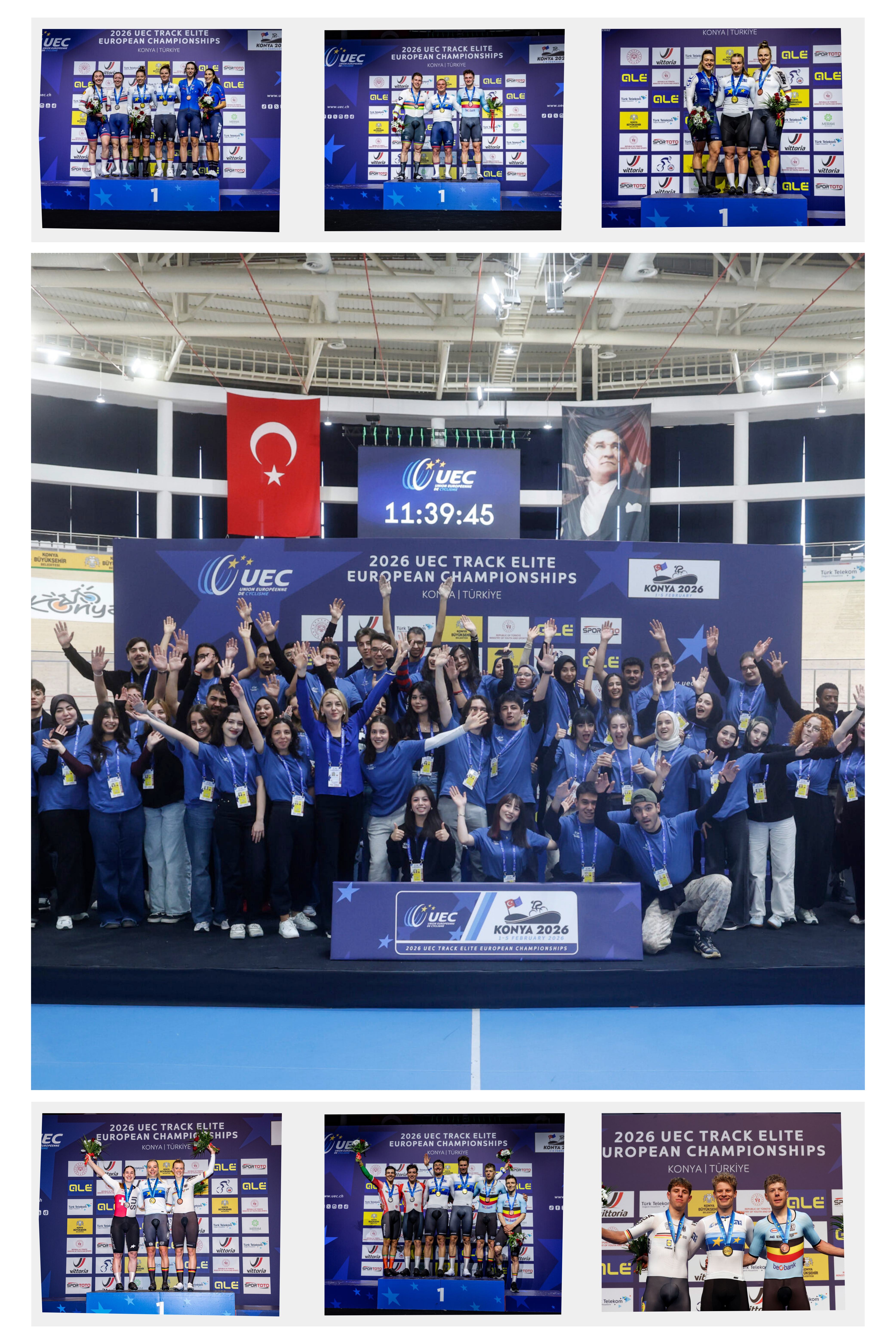
Athletes smiled into the cameras. Children clapped with unfiltered excitement from the stands. On the podium, pride felt unpolished and honest.
Europe’s fastest riders found themselves not only competing at the highest technical level but also connecting with the warmth of Anatolian hospitality. What unfolded was not just sporting excellence but a quiet cultural harmony—speed meeting sincerity.
Emma Finucane’s world record will live in the record books. But the sparkle in the eyes of the children in the stands and the easy smiles athletes carried away from Konya may prove to be the championship’s softer legacy. For a few winter days, the velodrome became more than a performance arena—it became a shared space where different languages, flags, and emotions moved in the same rhythm.
Speed Meets Responsibility
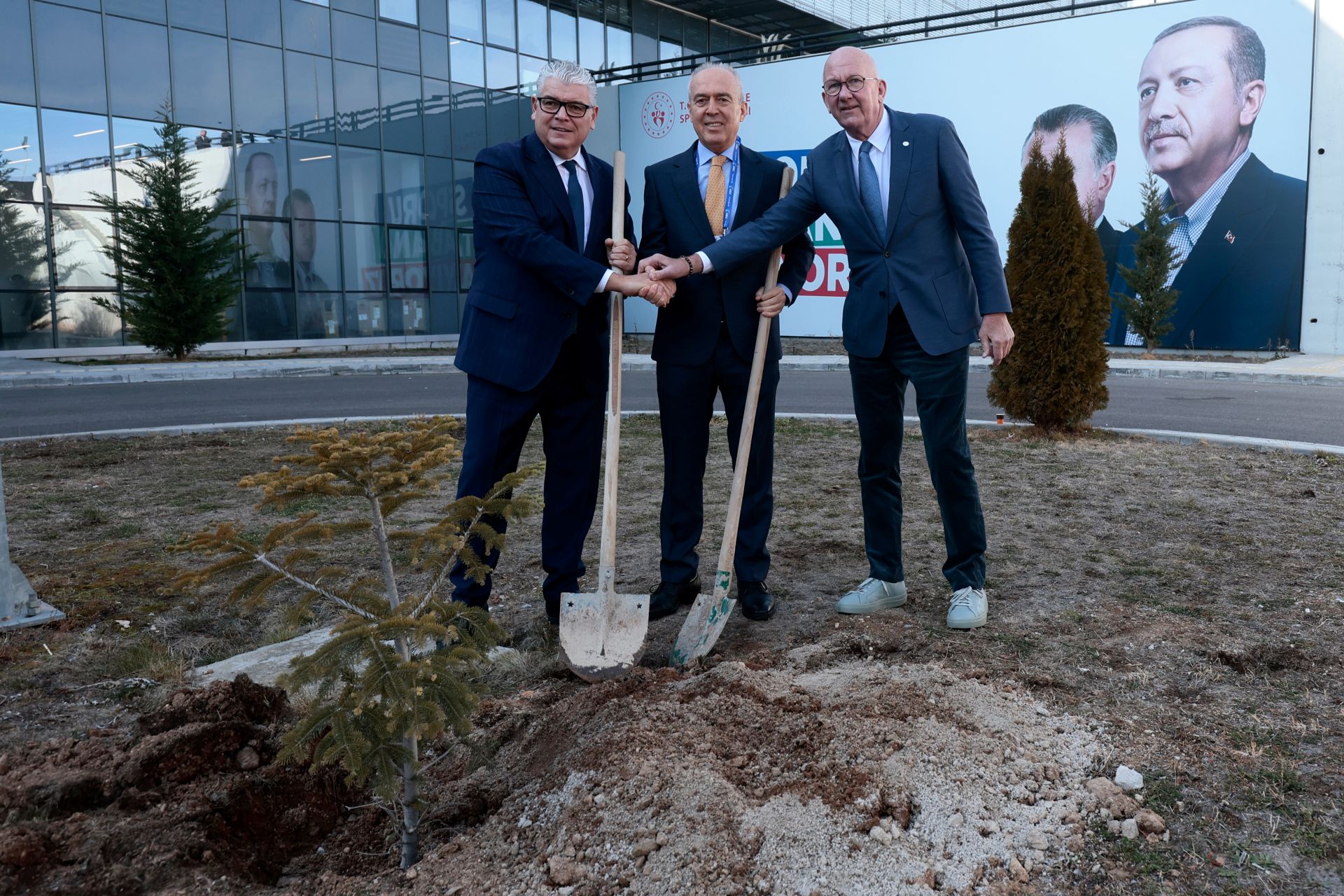
On the fourth day of competition, a quieter moment unfolded away from the roar of the track. As part of UEC’s sustainability initiative, a symbolic tree was planted in Konya—a gesture repeated in every host city to leave a living marker of environmental responsibility
It was a small act in scale but meaningful in tone: a reminder that global sport leaves footprints not only on leaderboards but also on landscapes. In a city defined by its relationship to land and agriculture, the symbolism felt grounded rather than performative.
Why Konya Stays With You
Track cycling is about speed—but places linger for different reasons.
Maybe it’s the quiet outside the velodrome after a night of world-record laps.
Maybe it’s the contrast between a high-tech sport and a city shaped by centuries of contemplation.
Or maybe it’s the realization that not every great sporting destination needs spectacle—some offer depth instead.
Konya doesn’t overwhelm visitors with visual drama. It invites them to slow down. For athletes, it was a week of maximal intensity. For those watching—whether in the stands or through screens—it was a glimpse of a Türkiye that exists beyond postcards: quieter, steadier, and unexpectedly grounding.
You don’t come to Konya for adrenaline alone. You come because speed, in the right setting, can teach you how to breathe differently.